 The Editor
Introduction
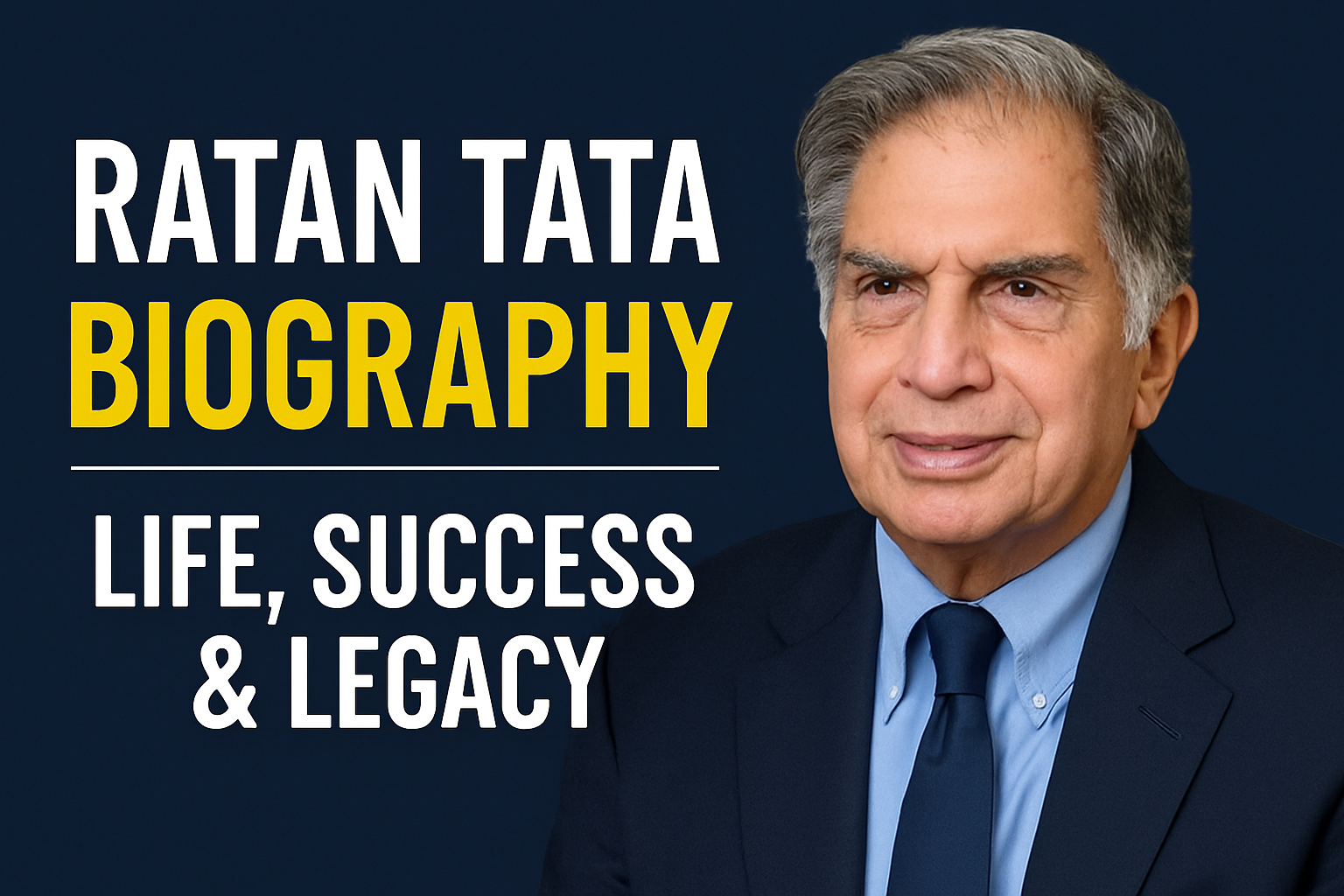
Ratan Naval Tata, popularly known as Ratan Tata, was born on 28 December 1937 in Bombay (now Mumbai), India. He was the son of Naval Tata and Soonoo Tata, members of one of India’s most prominent business families. Despite being born into wealth, Ratan Tata’s journey was shaped by discipline, responsibility, and a vision to transform Indian industry. Over time, he became one of the most respected leaders, not only for his role in expanding the Tata Group globally but also for his philanthropy and ethical approach to business.
Childhood and Education
Ratan Tata’s early years were not entirely smooth. His parents separated when he was young, and he was raised by his grandmother, Lady Navajbai Tata. Despite this emotional challenge, he remained focused on his studies.
He began schooling at Campion School, Mumbai, until class 8. Later, he studied at Cathedral and John Connon School, Mumbai, and also spent time at Bishop Cotton School, Shimla. Eventually, he completed his schooling at Riverdale Country School, New York in 1955. His higher education took him to the Cornell University, USA, where he earned a degree in Architecture and Structural Engineering in 1962. Later, he completed a management course at Harvard Business School in 1975, which equipped him with modern business insights.
Why Ratan Tata Never Married
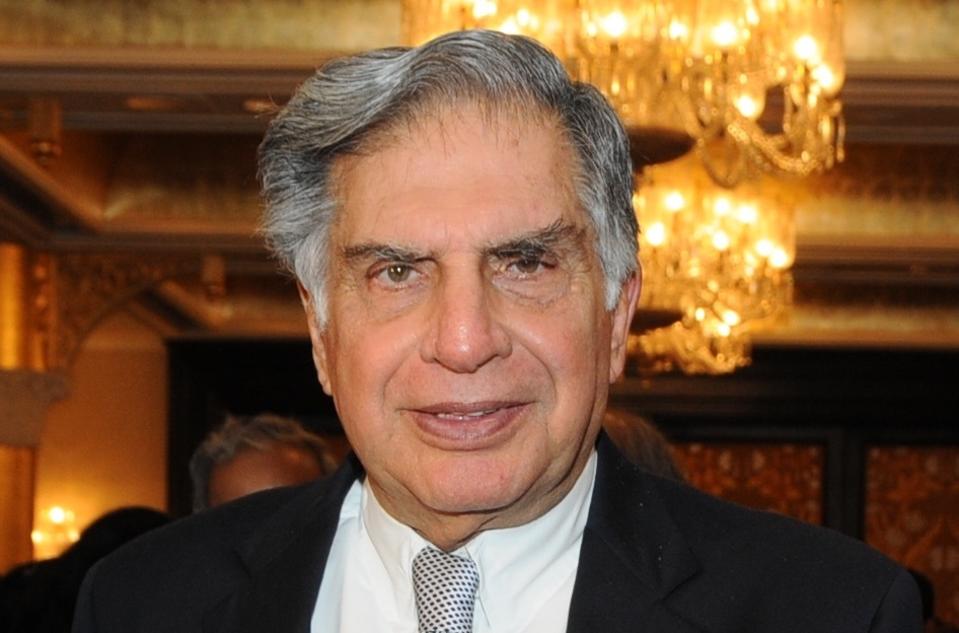
One aspect of Ratan Tata’s personal life that often draws curiosity is why he never married. In interviews, he revealed that he came close to marriage on four occasions but circumstances always prevented it. Once, he was in love while working in the U.S., but the relationship ended because his partner’s family did not want her to move to India. He later admitted that hesitation and changing life situations also contributed to his decision. Though he never married, he devoted his life to his work, employees, and philanthropic efforts, becoming a father figure to millions of Indians.
Early Career and Business Start
Unlike many business heirs, Ratan Tata did not begin his career in a luxury office. Instead, he started at the grassroots level. In 1962, at the age of 23, he joined the Tata Steel division, where he worked on the shop floor with blue-collar workers, shoveling limestone and handling blast furnaces. This experience shaped his understanding of employee hardships and grounded his leadership style in empathy.
Gradually, he was given responsibility in different Tata companies. His leadership qualities became evident in the 1970s when he revived National Radio & Electronics (NELCO) and Empress Mills, though the latter eventually closed. Despite setbacks, he proved himself as a risk-taker and visionary.
Rise to Success
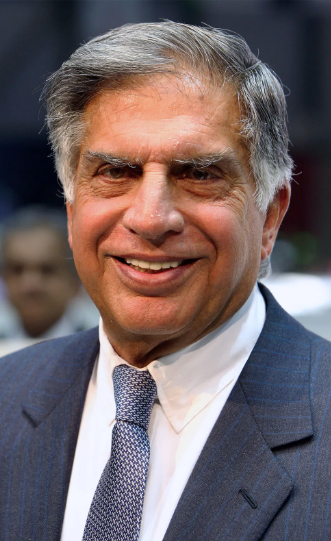
It took Ratan Tata almost three decades of persistence before he reached the top position. In 1991, he became the Chairman of Tata Sons, succeeding J.R.D. Tata. At that time, the group was fragmented, with companies often functioning independently.
Under his leadership, he brought unity by creating a common brand identity. More importantly, he turned the Tata Group into a global powerhouse. Some of his most iconic business moves included:
- Acquisition of Tetley Tea in 2000.
- Purchase of Corus Steel in 2007.
- Acquisition of Jaguar Land Rover in 2008.
- Launch of the Tata Nano, the world’s cheapest car, in 2008.
Though not all ventures were financially successful, his bold decisions gave the Tata Group global recognition. By the time he retired in 2012, the group’s revenues had grown more than 40 times, and profits more than 50 times, compared to when he took over.
Current Status and Legacy
Ratan Tata officially retired in 2012, passing the baton to Cyrus Mistry, and later to N. Chandrasekaran. However, he continued to remain active as Chairman Emeritus of Tata Sons and guided philanthropic projects through the Tata Trusts, one of India’s oldest charitable foundations.
Sadly, Ratan Tata passed away on 9 October 2024 at the age of 86. His death marked the end of an era, but his values of integrity, compassion, and visionary leadership continue to inspire.
Income and Net Worth
Ratan Tata himself was never among the richest billionaires, because most of his wealth was held by charitable trusts. His estimated net worth in 2024 was around ₹3,800 crore (US$456 million), though some sources placed it closer to ₹7,900 crore.
Unlike typical billionaires, Ratan Tata lived modestly and did not believe in luxury for himself. Instead, he ensured that Tata Group’s profits funded social development, education, health, and rural upliftment projects across India.
Why He Is Famous and Since When
Ratan Tata became a household name in India during the 1990s, when he took charge of Tata Sons and modernized the business. His fame grew internationally after bold acquisitions like Tetley, Corus, and Jaguar Land Rover.
He is remembered not only as a successful industrialist but also as a humanitarian. His leadership during crises, such as the 2008 Mumbai terror attacks, where he personally visited victims and arranged rehabilitation, cemented his image as a compassionate leader.
Family Background: Parents’ Careers
- Naval Tata (Father): Born in 1904, Naval Tata was adopted into the Tata family and made significant contributions as a businessman. He studied Economics at Bombay University and later pursued accountancy in London. He also played a crucial role in labor relations and was associated with the International Labour Organization (ILO).
- Soonoo Tata (Mother): Soonoo Tata came from the extended Tata family. She was the niece of Jamsetji Tata, the legendary founder of the Tata Group. After her separation from Naval Tata, she maintained a private life and ensured her children were raised with strong values.
Conclusion
Ratan Tata’s life is a perfect blend of humility, hard work, and vision. Born into privilege, he chose the path of empathy and service rather than personal wealth. From his modest beginnings at Tata Steel to becoming the leader of a global business empire, he transformed the Tata Group into a symbol of Indian excellence. Though he never married, he dedicated his life to millions of Indians, leaving behind a legacy of trust, innovation, and humanity.
Ratan Tata will always be remembered as not just a businessman, but as a true nation builder.