 The Editor
Haryana Government Strikes Off 4.4 Lakh BPL Cards in One Go
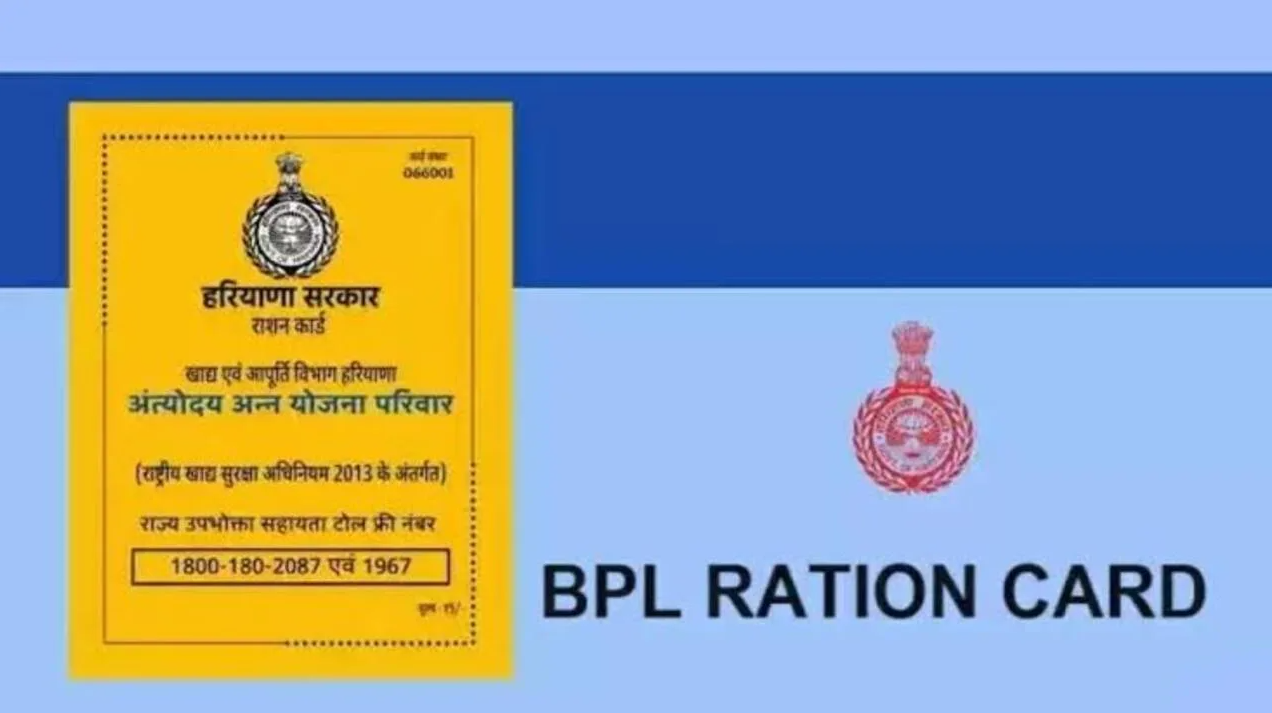
In a sweeping administrative move, the Haryana government has delisted 4.4 lakh Below Poverty Line (BPL) cardholders, stating that these individuals or families no longer meet the criteria for poverty assistance. The step, aimed at cleaning up the beneficiary list, has triggered widespread debate over poverty measurement, economic recovery, and welfare access in the state.
What Does the BPL Card Represent?
A BPL card entitles low-income households to subsidized food, fuel, and health benefits under various government schemes. It is a lifeline for many families struggling with basic necessities. The sudden removal of such a large number of beneficiaries in one action has raised eyebrows, especially among opposition parties and social activists.
The Official Reason: Economic Betterment
According to the Haryana government’s statement, a recent evaluation of socioeconomic data showed that over 4.4 lakh individuals or families had improved their financial conditions, and no longer qualified as BPL. Authorities claim this update was long overdue and reflects the success of welfare and development programs.
“These beneficiaries have shown improved earnings and assets, including land ownership, vehicles, and household amenities, making them ineligible for continued benefits under the BPL category,” a senior official stated.
Digital Verification and Data Analysis
The move comes after the implementation of data-driven assessments, including cross-checks with income tax returns, property records, and electricity usage. Officials used AI-based tools and digital verification processes to reassess the eligibility of BPL cardholders.
This has become part of a broader strategy to digitize welfare systems and prevent leakages in public distribution schemes.
Public Reaction: Relief or Burden?
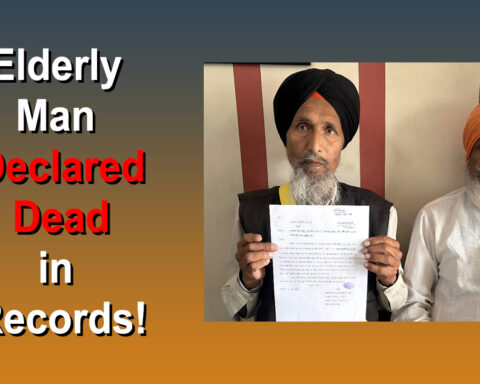
While the government hails this step as a sign of economic progress, public sentiment remains mixed. Many affected families argue they were removed from the BPL list without proper verification or notice.
Activists have demanded transparency in the delisting process and a clear mechanism for appeals. Some allege that genuine poor households are being unfairly excluded due to data inaccuracies or administrative flaws.
What Happens Next?
The Haryana government has announced that those who believe they were wrongly removed from the list can appeal through local authorities or submit grievances online. The administration claims that such cases will be reviewed on priority.
Moreover, a fresh survey is expected later this year to reassess BPL eligibility using updated income and asset benchmarks.
Conclusion: A Policy with Mixed Outcomes
The removal of 4.4 lakh BPL cards may reflect progress in poverty alleviation—or it may highlight the growing disconnect between official data and ground realities. As Haryana pushes forward with welfare reform and digital governance, it must balance accuracy, empathy, and accountability to truly serve the public interest.